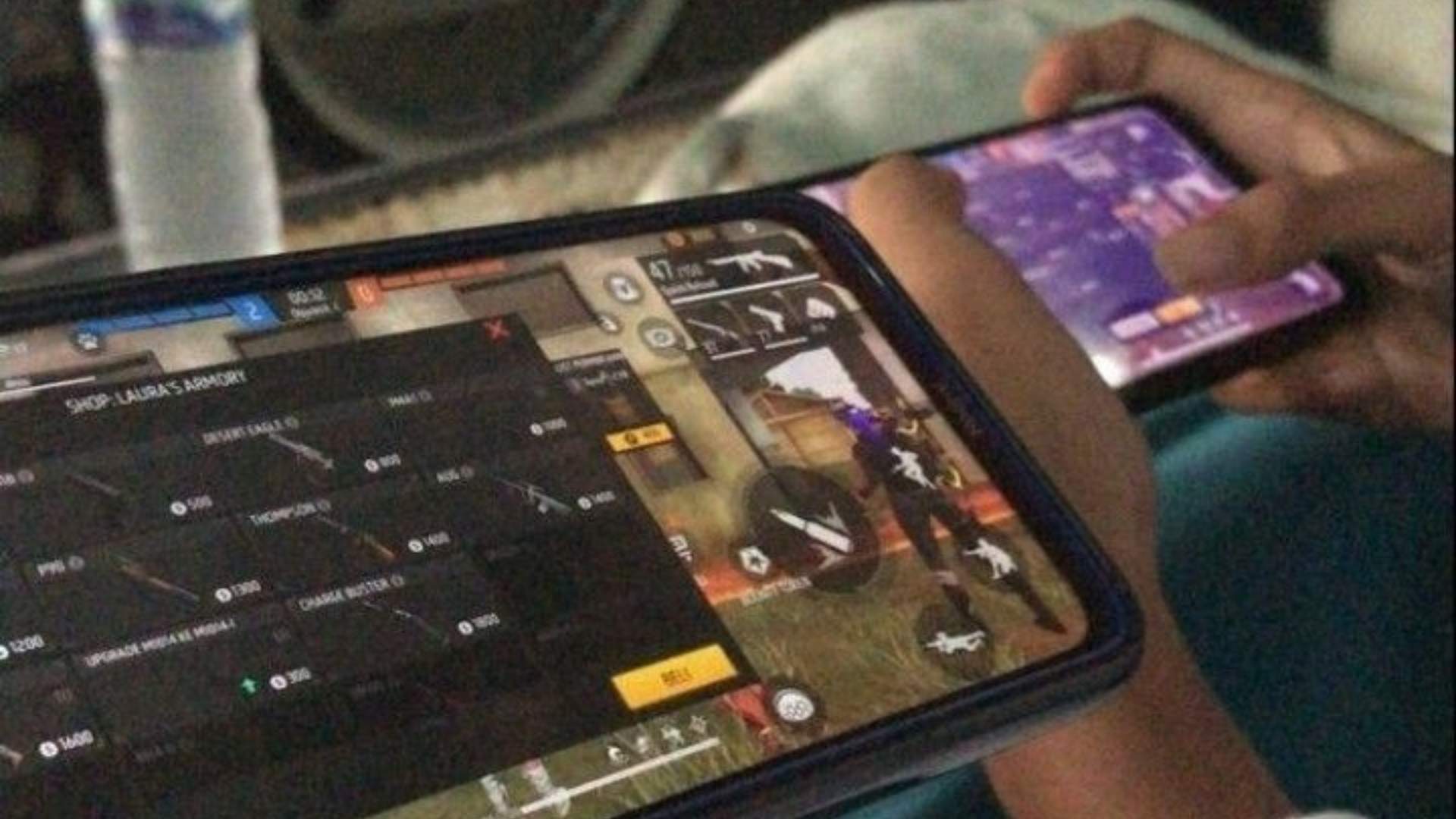
Every professional PlayerUnknown's Battlegrounds player started their journey as an inexperienced survivor struggling to navigate the initial parachute drop. Long before achieving tournament victories and mastery over recoil patterns, elite competitors experienced the same chaotic early defeats that casual players face today. Understanding that expertise is developed over hundreds of matches can help modern survivors shift their mindset from frustration to focused improvement.
Embracing the Learning Curve of Early Drops
Entering the vast digital landscapes of Erangel or Miramar for the first time presents a remarkably steep learning curve for new combatants. Novice players often make the mistake of hot-dropping into highly contested zones before understanding basic environmental layouts. Overcoming these initial hurdles requires patience and a willingness to analyze each elimination objectively.
Developing spatial awareness across expansive maps takes time and conscious effort during live matches. Successful players recommend tracking plane paths and observing where neighboring squads tend to descend. By prioritizing safe survival over immediate engagements, you can steadily build the foundational knowledge necessary for long-term growth.
Mastering Basic Mechanical Fundamentals First
Reaching the competitive tier demands a profound appreciation for the underlying systems that govern combat performance. Many beginners focus entirely on acquiring advanced weapon attachments rather than refining their baseline aiming skills. Dedicating structured time in the practice arena allows you to learn specific weapon behaviors under controlled conditions.
Controlling vertical and horizontal recoil patterns is a vital skill that separates temporary survivors from legendary competitors. Consistent practice with basic pistols and submachine guns establishes muscle memory that remains stable under intense psychological pressure. Understanding these essential mechanics ensures you are prepared to handle unexpected encounters with confidence.
Developing High Situational Map Awareness
Victory in the battle royale format relies heavily on geographical positioning rather than relying strictly on lightning-fast reflexes. Experienced veterans treat the mini-map as their primary tool for anticipating enemy movement and planning safe rotations. Evaluating the environment before the blue zone contracts helps squads avoid dangerous choke points.
Learning to interpret subtle acoustic cues is another critical aspect of navigating volatile combat scenarios. Every distant footstep, unique vehicle engine, and unsuppressed rifle shot communicates vital tactical data to attentive players. By remaining calm and observing your surroundings, you can transform chaotic map dynamics into distinct operational advantages.
Building Long Term Psychological Resilience
Sustaining peak performance across multiple consecutive matches requires immense mental endurance and emotional composure. Even the most skilled tournament squads experience sudden ambushes and unfavorable safe zone shifts. The true defining characteristic of a professional competitor is the capacity to adapt to disruptions without panic.
Cultivating constructive team communication ensures your squad can execute complex maneuvers smoothly during the stressful final circles. Experienced leaders prioritize objective analysis over toxic reactions when a tactical plan fails to deliver a victory. Embracing this disciplined perspective helps average players develop the everyday mindset required to steadily climb the competitive ranks.